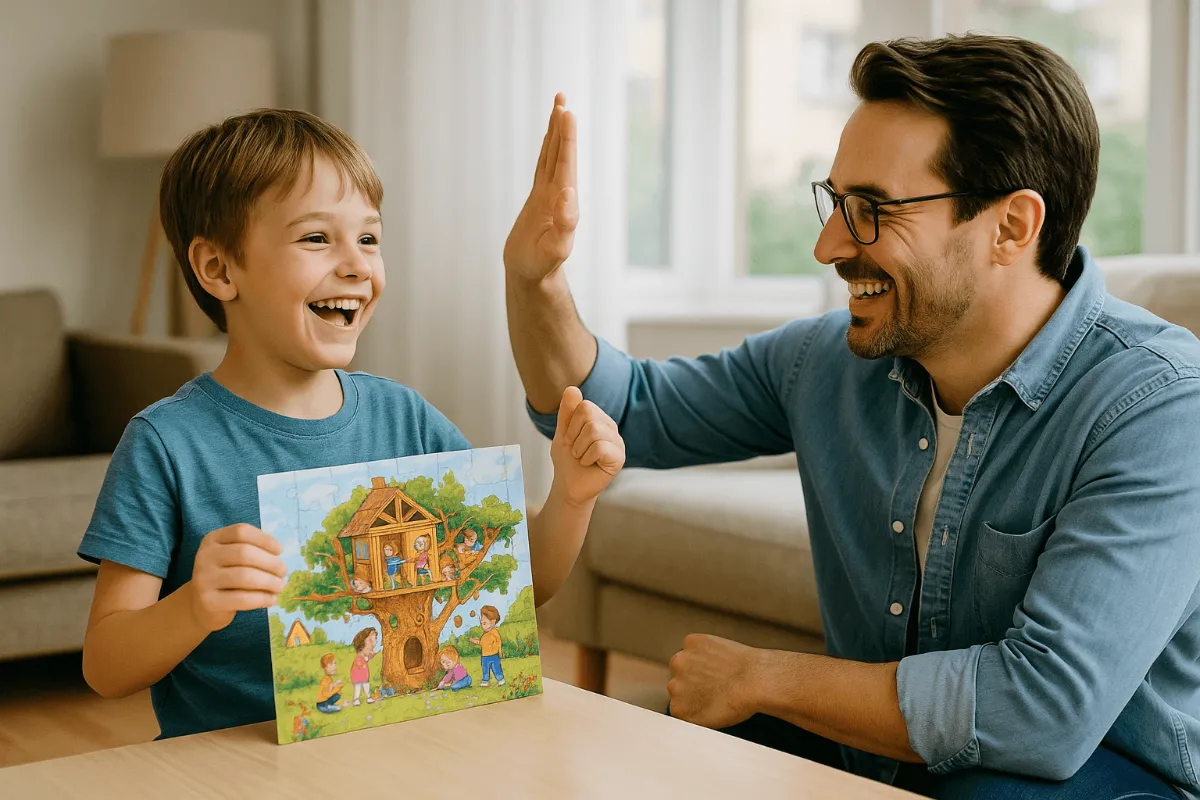
If you've ever watched your child stand alone at the edge of the playground, wanting to join in but not knowing how, you know that gut-wrenching feeling. Maybe they've come home from school saying "nobody likes me" or you've noticed they struggle to make eye contact during conversations. Perhaps playdates end in tears, or your child seems to misread social cues that other kids pick up naturally.
You're not imagining things, and you're definitely not alone. Building social skills for children is one of the biggest challenges parents face today. The good news? Social skills aren't something kids are just born with – they're learned, which means you can help your child develop them.
Here's what child development experts want you to know: every child can learn to connect with others. Whether your child is naturally shy or struggles to read the room, the right strategies can transform their social confidence. This guide will walk you through proven techniques that actually work in the real world – not just in theory.
What Building Social Skills Actually Means for Your Child
When we talk about building social skills for children (5-12), we're really talking about helping kids learn the unwritten rules of friendship. It's like teaching them a new language – the language of getting along with others.
Think of social skills like learning to ride a bike. At first, everything feels wobbly and uncertain. Your child might crash a few times (hello, playground arguments!). But with practice and the right support, they'll soon be zooming along confidently.
For children aged 5-12, social skills include things like:
- Reading facial expressions and body language
- Taking turns in conversations and games
- Understanding personal space (not everyone wants a hug!)
- Managing emotions when things don't go their way
- Showing empathy when friends are upset
- Joining group activities without taking over
The key insight: Your child isn't being difficult when they struggle socially. They're still learning complex skills that even some adults find challenging. That's where your support comes in.
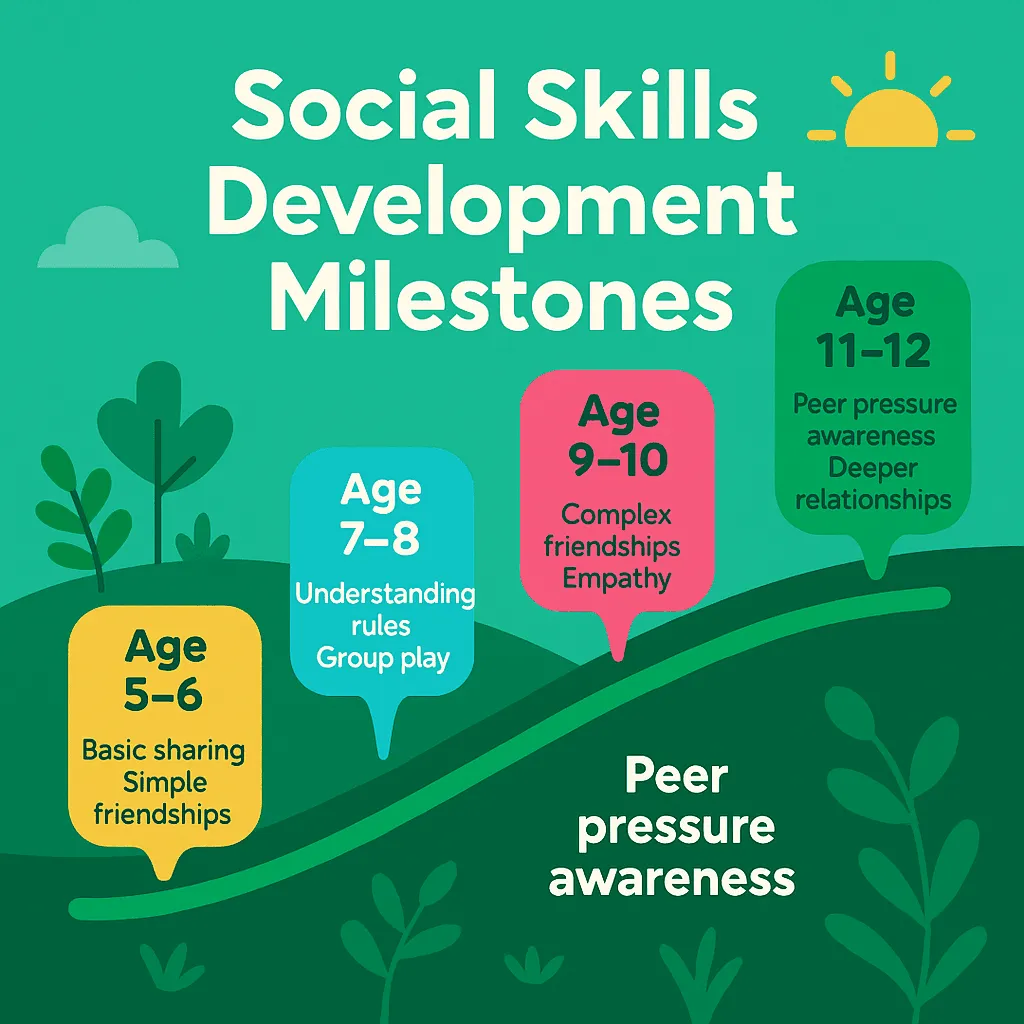
Why Mastering Social Skills Matters Now
Research consistently shows that children who develop strong social skills between ages 5-12 build better relationships throughout life. But let's be honest – you're probably more concerned about right now than twenty years from now.
When children have solid social skills, daily life becomes easier for everyone. Morning school drop-offs become smoother because your child has friends waiting for them. Birthday party invitations start arriving. Your child comes home talking excitedly about their day instead of saying "nothing happened."
The most important takeaway: Building social skills for children (5-12) isn't just about making friends. It's about helping your child feel confident, included, and happy in their own skin. When kids know how to connect with others, they're more likely to speak up in class, try new activities, and bounce back from setbacks.
7 Proven Strategies for Building Social Skills
1The Feelings Detective Game
One of the most effective ways of building social skills for children (5-12) starts with helping them recognise emotions – both their own and others'.
Try this: During dinner, play "Feelings Detective." Each family member shares one emotion they felt that day and where they felt it in their body. "I felt nervous before my meeting – my stomach felt fluttery." This helps children connect feelings to physical sensations and understand that everyone experiences emotions.
For older kids (10-12), level up by discussing what triggered the feeling and how they handled it. This builds emotional vocabulary that helps in social situations.
2The Conversation Tennis Technique
Many children struggle with back-and-forth conversations, either dominating the talk or staying silent.
Try this: Explain that conversations are like playing tennis – you hit the ball (say something), then wait for it to come back (listen to their response). Practice with simple topics:
- You: "What was the best part of your day?"
- Child: "Art class! We painted dragons."
- You: "That sounds amazing! What colour was your dragon?"
The magic happens when children realise conversations have a rhythm. Practice this daily, and watch their confidence grow.
3The Role-Play Reality Check
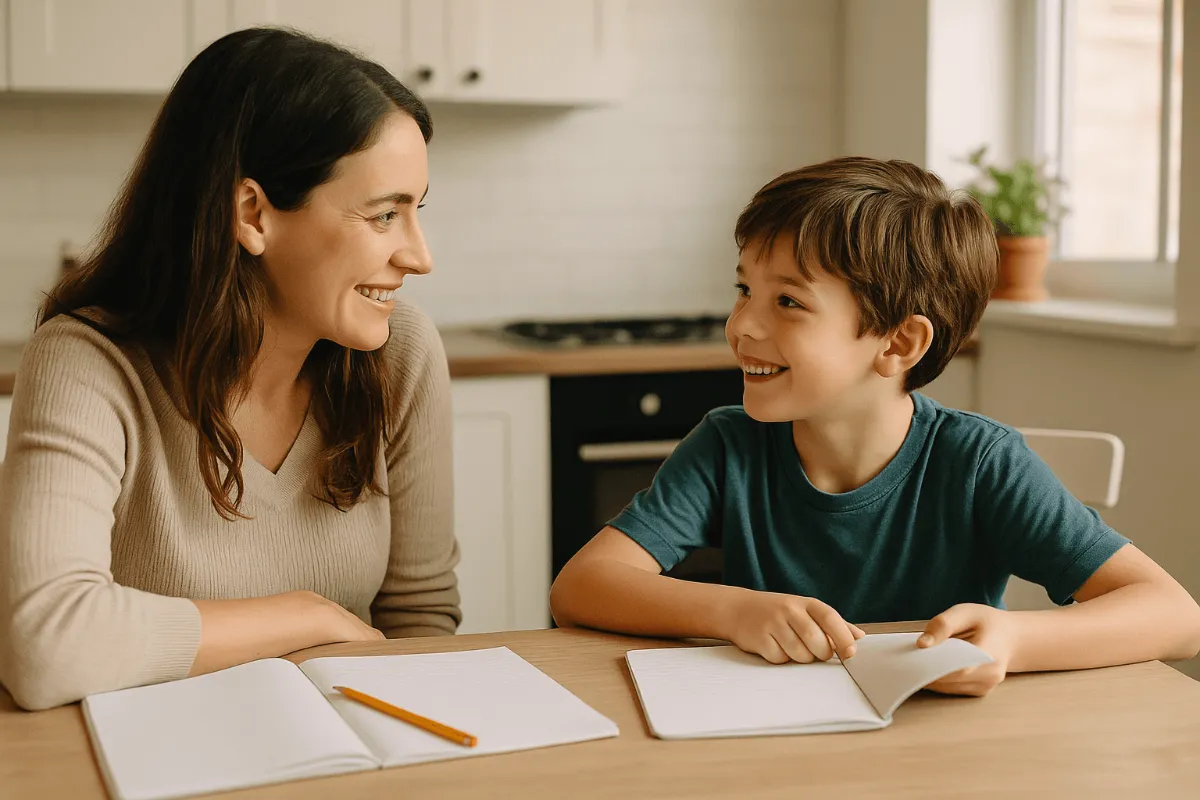
Role-playing social scenarios takes the pressure off real-life situations and lets kids practice in a safe space.
Try this: Act out common scenarios your child finds difficult:
- Asking to join a game at break time
- What to do when someone takes their toy
- How to respond when they disagree with a friend
- Starting a conversation with a new classmate
Let them try different approaches and see what feels comfortable. Keep it light and fun – use silly voices or reverse roles so they play the other child.
4The Observation Station
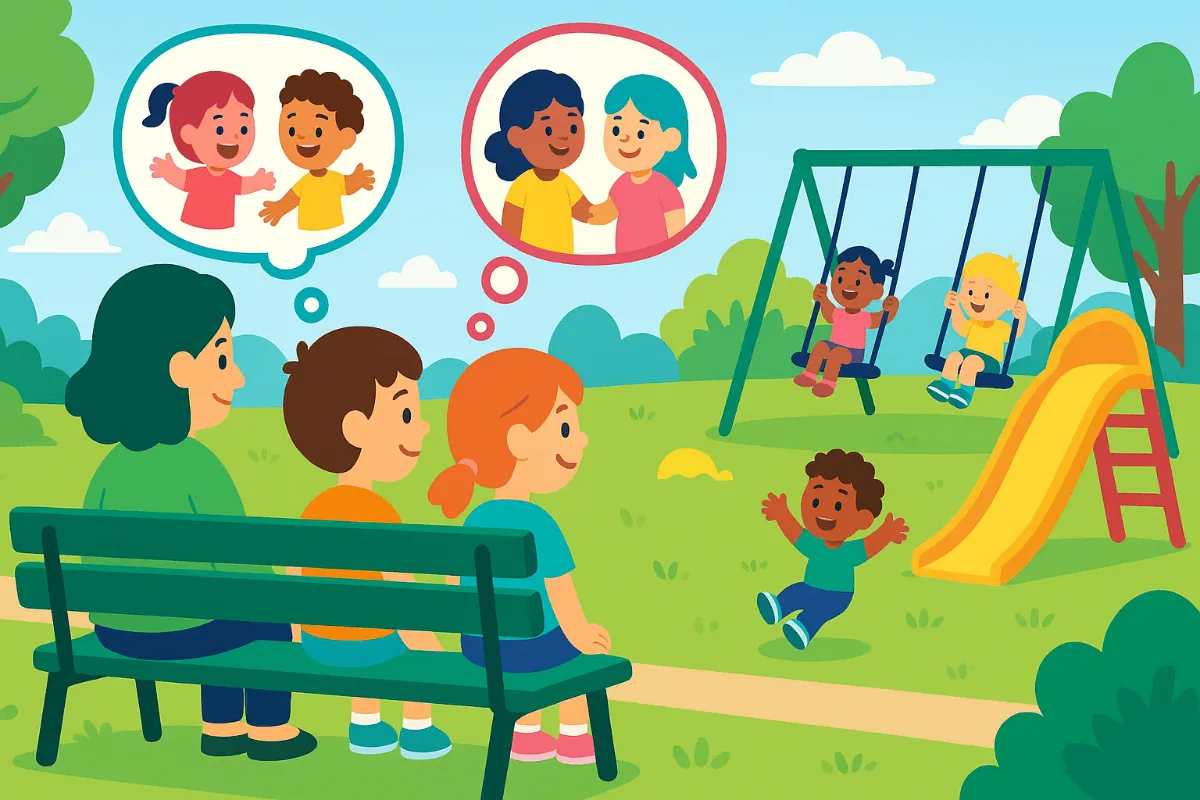
Before jumping into social situations, help your child become a social scientist by observing how others interact.
Try this: Next time you're at the park or a family gathering, sit with your child and quietly observe:
- How do kids join games already in progress?
- What happens when someone disagrees?
- How do friends greet each other?
- What makes some kids popular playmates?
This isn't about judging – it's about noticing patterns. Children who understand social dynamics can navigate them better.
5The Strength-Building Approach
Focus on your child's natural strengths when building social skills for children (5-12). Every child has something that makes them interesting to others.
Try this: Help your child identify their "friendship superpowers":
- Are they funny? Practice telling jokes appropriately
- Love football? Join a local team for built-in social opportunities
- Great at art? Offer to draw pictures for classmates
- Know lots about dinosaurs? Share fun facts (but practice not overwhelming others)
When children lead with their strengths, they feel more confident and authentic in social situations.
6The Problem-Solving Partnership
Instead of fixing every social problem for your child, become their problem-solving partner.
Try this: When your child comes home upset about a social situation:
- Listen without jumping to solutions: "That sounds really frustrating."
- Ask questions: "What do you think made Sam react that way?"
- Brainstorm together: "What are three things you could try tomorrow?"
- Follow up: "How did your plan work out?"
This approach builds critical thinking skills and helps children feel capable of handling social challenges independently.
7The Small Steps Success Plan
Building social skills for children (5-12) doesn't happen overnight. Break big goals into tiny, achievable steps.
Try this: If your child wants to make new friends, create a step-by-step plan:
- Week 1: Smile and say hello to one new person each day
- Week 2: Ask someone a question about their interests
- Week 3: Invite someone to play at break time
- Week 4: Suggest a playdate
Celebrate each small success. These little wins build confidence for bigger social challenges.

What Not to Do: Common Mistakes to Avoid
Even with the best intentions, some approaches can accidentally make social situations harder:
Don't force friendships. Pushing your child to be friends with someone they don't click with rarely works and can create anxiety about social interactions.
Don't dismiss their feelings with phrases like "Just be yourself!" or "Everyone likes you!" when they're struggling. Instead, acknowledge that making friends can be hard sometimes, and that's okay.
Don't solve every problem for them. Jumping in to fix every social hiccup prevents children from developing their own problem-solving skills. Guide them, but let them practice handling situations themselves.
When to Seek More Help
While building social skills for children (5-12) takes time, some situations benefit from professional support.
Consider reaching out for help if:
- Your child consistently avoids all social situations
- They haven't made any friendships after 6 months at school
- Social anxiety is affecting their daily life
- You notice regression in previously learned social skills
- They're being bullied or excluded regularly
You could use online platforms to help such as InnerSteps (worry management platform that teaches these techniques through fun personalised stories and activities) or GoZen (offers videos to help kids with different anxieties and emotions).
Important note: If these strategies don't help after 4-6 weeks, or if your child's social challenges are significantly impacting daily life, consider speaking with your paediatrician or a child psychologist for personalised guidance.
Remember, seeking help shows strength, not weakness. You're making sure your child has every tool they need to succeed socially.
Quick Recap: Your Social Skills Toolkit
Here's everything you need to remember about building social skills for children (5-12):
- Feelings Detective Game helps children recognise and name emotions
- Conversation Tennis teaches the back-and-forth rhythm of talking
- Role-playing provides safe practice for tricky situations
- Observation skills help children understand social dynamics
- Leading with strengths builds authentic confidence
- Problem-solving together develops independence
- Small steps lead to big social wins
Most importantly: You're not aiming for a social butterfly overnight. You're helping your child build genuine connections at their own pace. Every small improvement is worth celebrating.