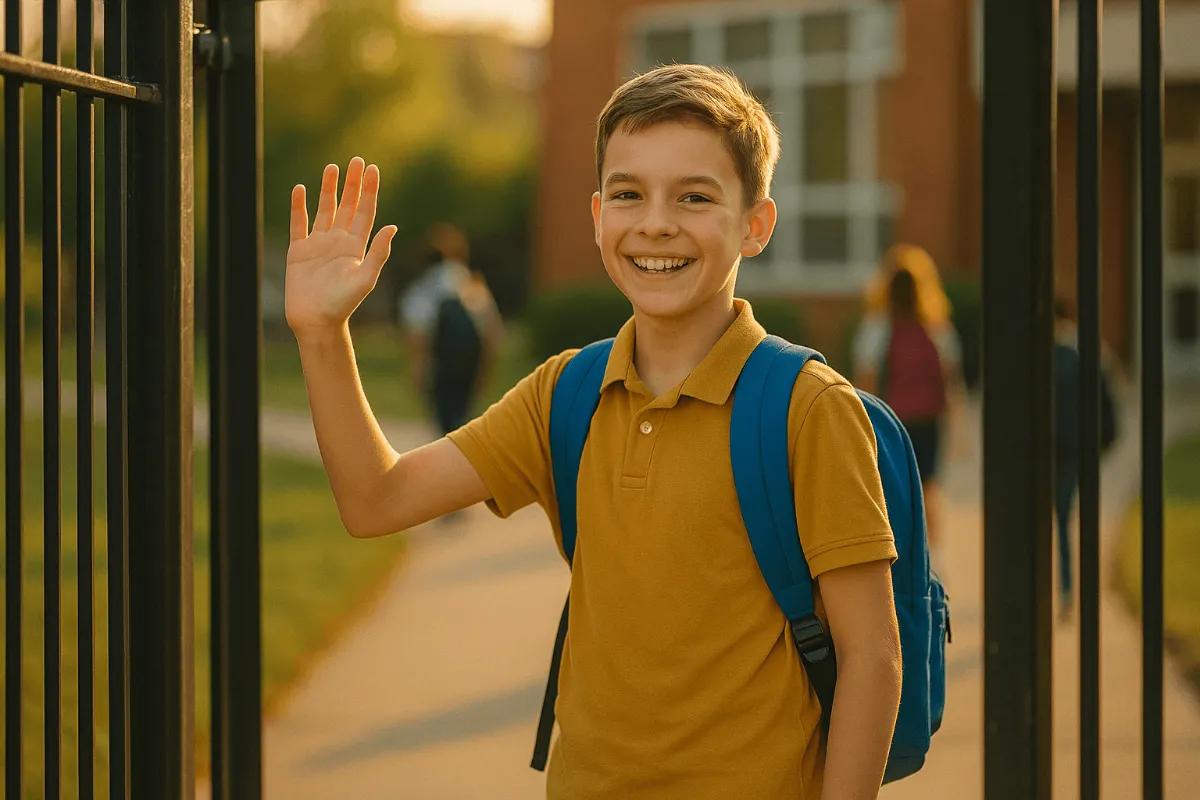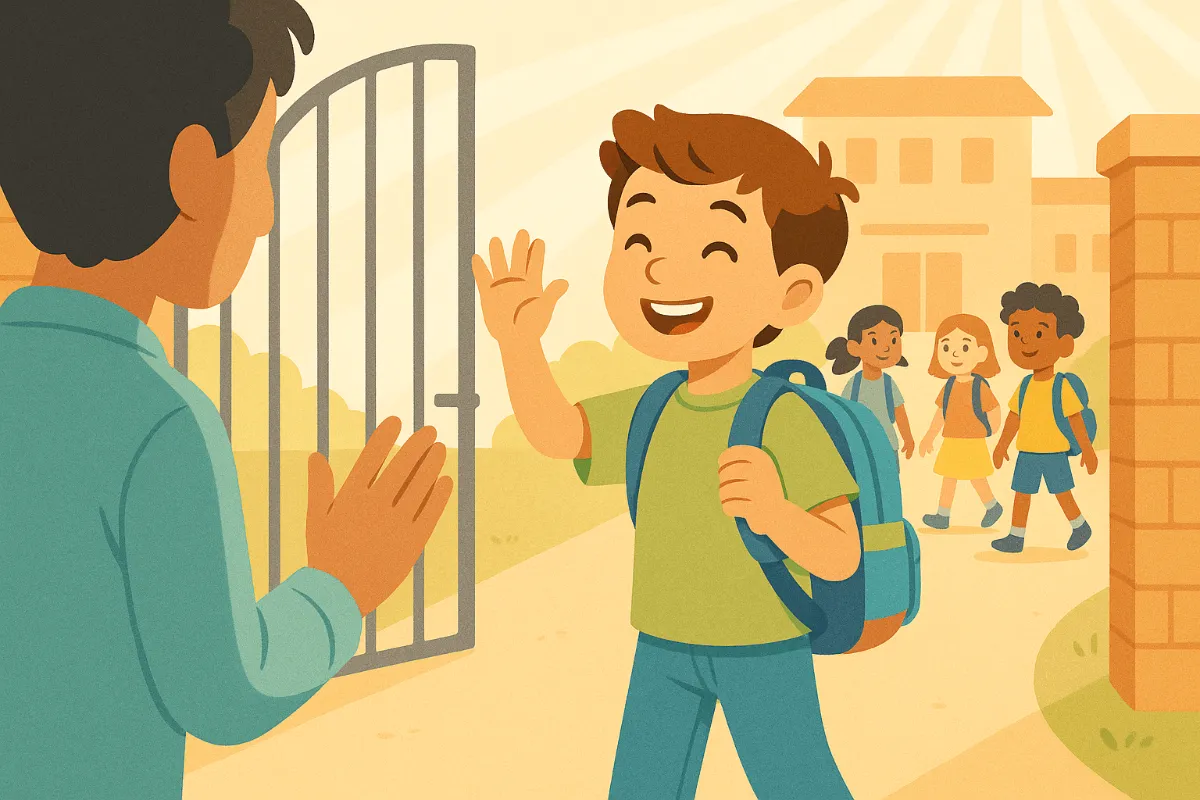
If you've ever experienced the heart-wrenching scene of your child clinging to you at school drop-off, begging you not to leave through tears and sobs, you know how devastating separation anxiety in kids 5-12 can feel. Perhaps you've tried reasoning with them, bribing them with rewards, or even the dreaded "sneak away when they're distracted" method - only to drive away feeling guilty and worried about how they're coping.
Here's what you need to know right now: You're not failing as a parent, and your child isn't being manipulative or difficult. What you're witnessing is a completely normal developmental challenge that affects millions of families. The good news? There are proven, practical strategies that can transform those tearful goodbyes into confident waves - and you'll learn exactly how to implement them in this guide.
By the end of this article, you'll understand why separation anxiety happens, have five expert-backed techniques you can start using today, and know exactly when it might be time to seek additional support. Most importantly, you'll gain the confidence to help your child build genuine independence while maintaining your strong bond.
What Separation Anxiety Actually Means for Your Child
Separation anxiety in kids 5-12 isn't just about missing mum or dad - it's a complex emotional response rooted in your child's developing brain. When children experience separation anxiety, their amygdala (the brain's alarm system) perceives being apart from you as a genuine threat, triggering the same fight-or-flight response our ancestors had when facing real danger.
Think of it like this: to your child's nervous system, being separated from you can feel as scary as being lost in a shopping centre. Their body responds with very real physical symptoms - racing heart, sweaty palms, upset stomach - because their brain genuinely believes they're in danger. This is why logic rarely works when your child is in the midst of separation distress.
For primary school-aged children, separation anxiety often shows up as:
- Physical complaints that mysteriously appear on school mornings (headaches, tummy aches)
- Excessive worry about something bad happening to parents while apart
- Bedtime battles because night-time feels like the ultimate separation
- Shadowing behaviour - following you from room to room at home
- Emotional outbursts that seem out of proportion to the situation
The most important insight: Your child's distress is real, even if the danger isn't. Understanding this helps you respond with compassion rather than frustration, which is the first step in helping them overcome their anxiety.
Why This Matters More Than You Think
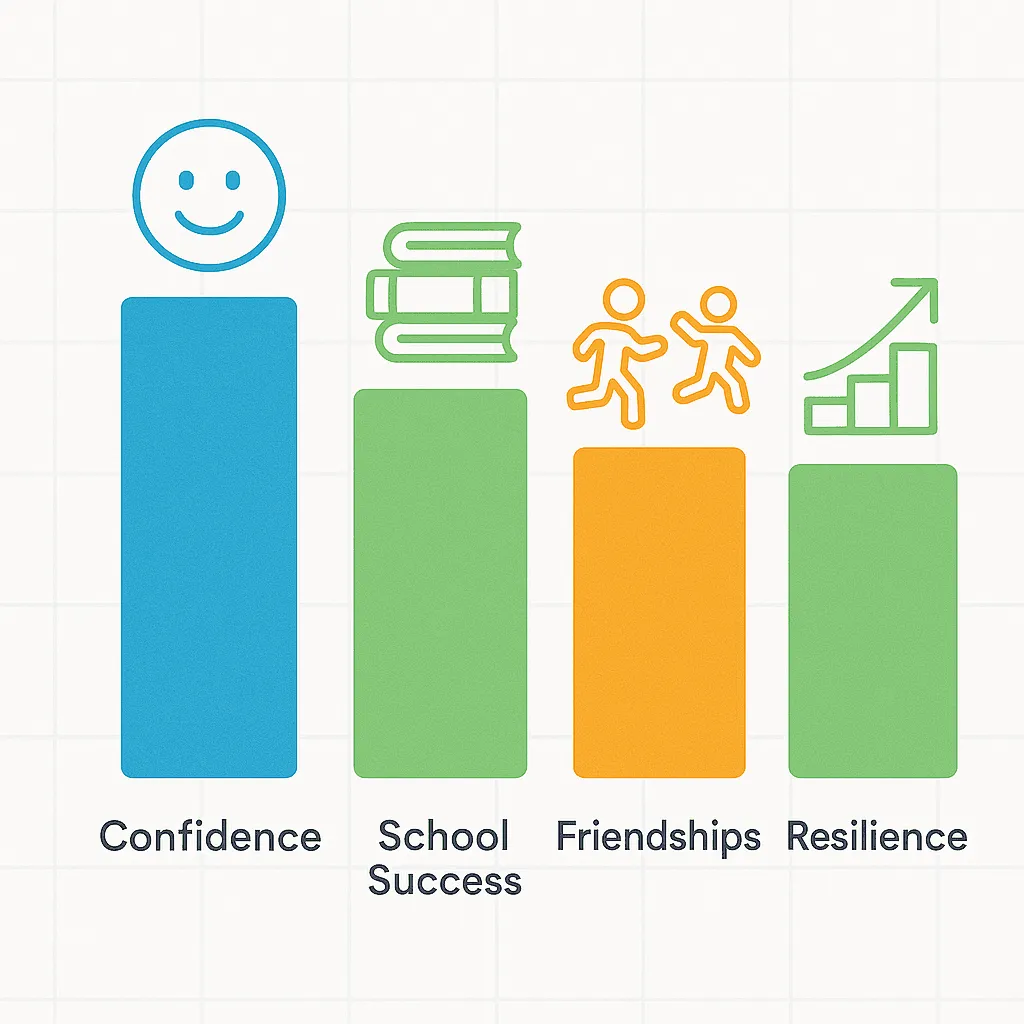
Learning to manage separation anxiety in kids 5-12 isn't just about making mornings easier (though that's certainly a wonderful benefit!). Research shows that children who develop healthy coping strategies for anxiety during their primary school years are significantly more likely to navigate adolescent and adult challenges successfully.
Here's what successful separation anxiety management gives your child:
- Emotional resilience that helps them handle future challenges
- Confidence to try new experiences and activities
- Better school engagement when they're not worried about being away from home
- Stronger friendships as they feel secure enough to connect with peers
- Independence skills that grow naturally over time
Perhaps most importantly for you as a parent, addressing separation anxiety now means preventing more severe anxiety issues later. When children learn they can handle being apart and reunite safely, they internalise a powerful message: "I can do hard things."
5 Proven Strategies to Ease Separation Anxiety
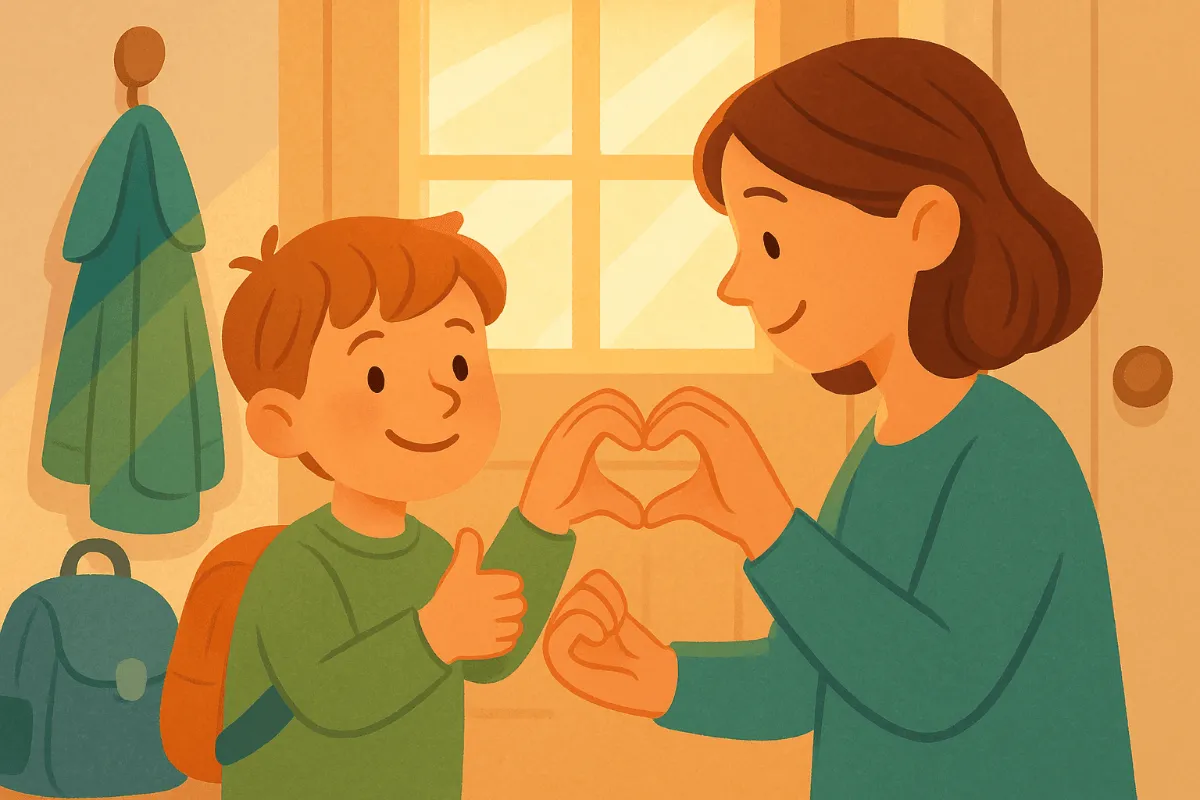
1The Goodbye Ritual That Actually Works
Creating a predictable, consistent goodbye routine is one of the most effective tools for managing separation anxiety in kids 5-12. When children know exactly what to expect, their nervous system can prepare rather than panic.
Try this: Develop a special goodbye sequence that takes no more than 2 minutes:
- One long hug (count to 10 together)
- Your special phrase: "I love you, I'll be back, have a wonderful day!"
- A unique gesture (butterfly kisses, secret handshake, or "heart hands")
- One confident wave as you leave
Why it works: Rituals create a sense of control and predictability. Your child's brain learns "this is how goodbyes go," making the separation feel safer and more manageable. Keep the ritual short and sweet - dragging it out can actually increase anxiety.
2The Worry Window Technique
This strategy helps children contain their anxiety rather than letting it spiral throughout the day. It's particularly effective for school separation anxiety strategies.
Try this: Set aside 10 minutes each evening as "worry time":
- Use a timer to make it official
- Let your child share all their separation worries
- Write them down or draw them out
- Problem-solve together for just ONE worry
- End with something positive about tomorrow
The magic ingredient: During the day, when worries pop up, remind your child: "That's a good one for worry window - let's save it for tonight." This teaches them that worries don't need immediate attention and gives them a sense of control.
3The Brave Body Scanner
Teaching children to recognise and manage the physical symptoms of separation anxiety gives them concrete tools they can use anywhere.
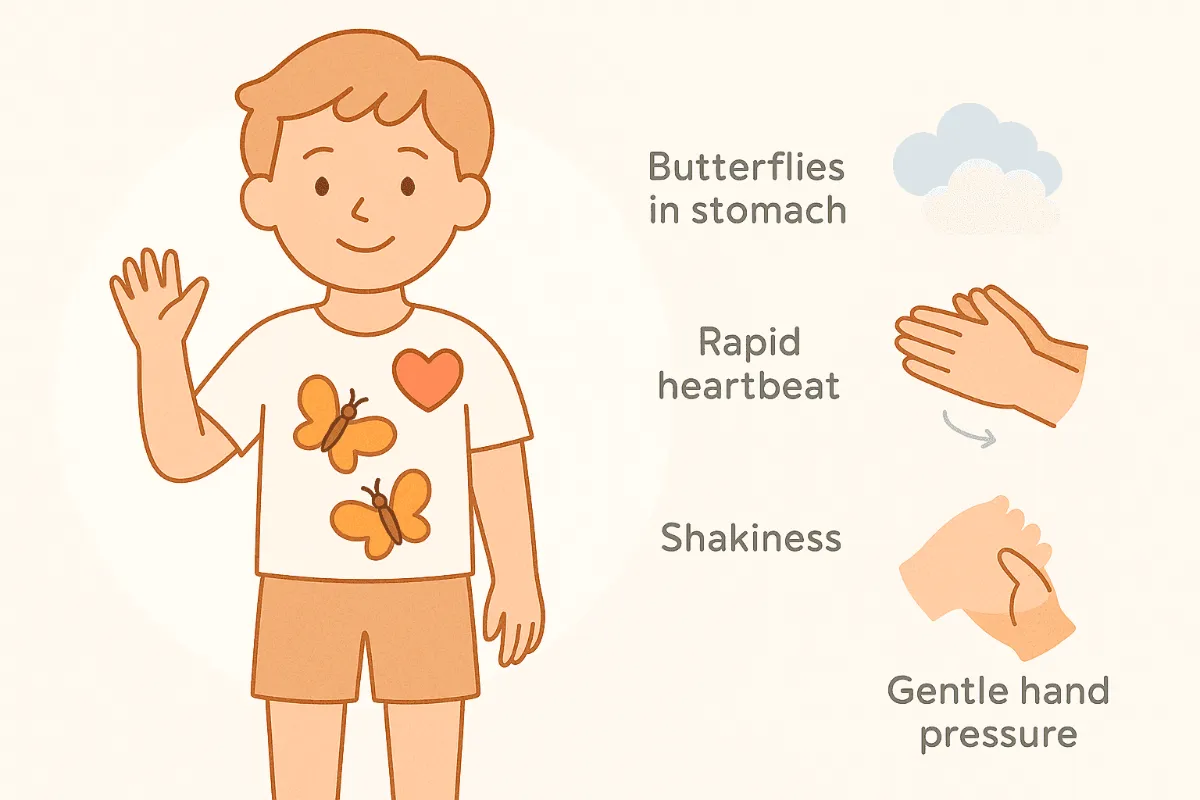
Try this brave body check-in:
- "Close your eyes and scan from your head to your toes"
- "Where do you feel the worry in your body?"
- "What does it feel like? (Tight? Fluttery? Hot?)"
- "Let's breathe into that spot and imagine it getting softer"
Power move: Create a "body feelings chart" your child can point to when words are hard. This validation alone often reduces the intensity of physical symptoms.
4The Stepping Stones Approach
This gradual exposure technique is backed by decades of research on childhood anxiety treatment. Instead of avoiding separations or forcing them, you build confidence step by step.
Try this progression over several weeks:
- Week 1: Separate within the same building (different rooms)
- Week 2: Quick errands while child stays with trusted adult
- Week 3: Longer separations with preferred activities
- Week 4: Practice the challenging separation with support
Critical factor: Celebrate EVERY success, no matter how small. "You stayed with Grandma for 15 whole minutes! Your brave muscles are getting stronger!"
5The Connection Before Separation Strategy
Filling your child's emotional cup before separation makes the time apart feel less threatening. This approach addresses the root need behind separation anxiety in kids 5-12.
Try this morning connection routine:
- Wake your child 10 minutes earlier for cuddle time
- Share breakfast without distractions
- Do something fun together (dance to one song, read a few pages)
- Give them something of yours to keep (photo, note, small item)
Remember: Quality matters more than quantity. Five minutes of focused connection beats 30 minutes of distracted time together.
What Not to Do: Common Mistakes That Make Anxiety Worse
Even the most loving parents can accidentally reinforce separation anxiety. Here are the most common mistakes to avoid:
Don't sneak away when your child is distracted. This might avoid tears today but creates more anxiety tomorrow. Children need to trust that you'll always say goodbye.
Don't minimise their feelings with phrases like "You're being silly" or "Big kids don't cry about this." Acknowledging emotions actually helps them pass more quickly: "I can see you're really worried about me leaving. That's okay, and you're still safe."
Don't create elaborate goodbye routines that take 15-20 minutes. Long goodbyes often increase anxiety rather than reducing it. Keep it short and confident.
The key insight: Your calm confidence is contagious. When you act worried about leaving, your child picks up on that energy and becomes more anxious.
When to Seek Additional Support
While separation anxiety in kids 5-12 is common, sometimes professional support can make a huge difference. Consider reaching out for help if:
- Your child's anxiety is significantly impacting daily life (missing school regularly, unable to attend activities)
- Physical symptoms persist throughout the day, not just at separation times
- Your child seems sad or withdrawn beyond separation moments
- Family life is being severely disrupted by accommodation of anxiety
- These strategies don't show improvement after 4-6 weeks of consistent use
Online resources that can help include platforms like InnerSteps (which offers personalised stories teaching anxiety management) or GoZen (providing educational videos about emotions).
Important note: If separation anxiety is significantly impacting your child's daily life or your family's functioning, consider speaking with your GP or a child psychologist for personalised guidance. Seeking help is a sign of good parenting, not failure.
Quick Recap: Your Separation Anxiety Action Plan
Here's your practical toolkit for managing separation anxiety in kids 5-12:
- Create a consistent goodbye ritual - Keep it short, sweet, and predictable
- Implement the Worry Window - Contain anxious thoughts to a specific time
- Teach the Brave Body Scanner - Help kids recognise and manage physical symptoms
- Use Stepping Stones - Build confidence through gradual exposure
- Prioritise connection before separation - Fill their emotional cup first
Remember: You're not aiming for zero anxiety or perfect goodbyes. You're helping your child build the confidence to handle difficult emotions - a skill that will serve them for life.
The most important message: Progress isn't linear. Some days will be harder than others, and that's completely normal. Focus on the overall trend, not daily perfection.